Music
The Keyboard Player in the Corner
A calm presence can change how people behave, but it can't resolve a dispute by itself.
- Calm isn't neutral
- Settle things first
- Peace isn't resolution
In part one I wrote about George Harrison walking out of the Beatles in January 1969, and why the argument over a guitar part wasn’t the real argument. This one is about what happened after he came back.
Billy walks in
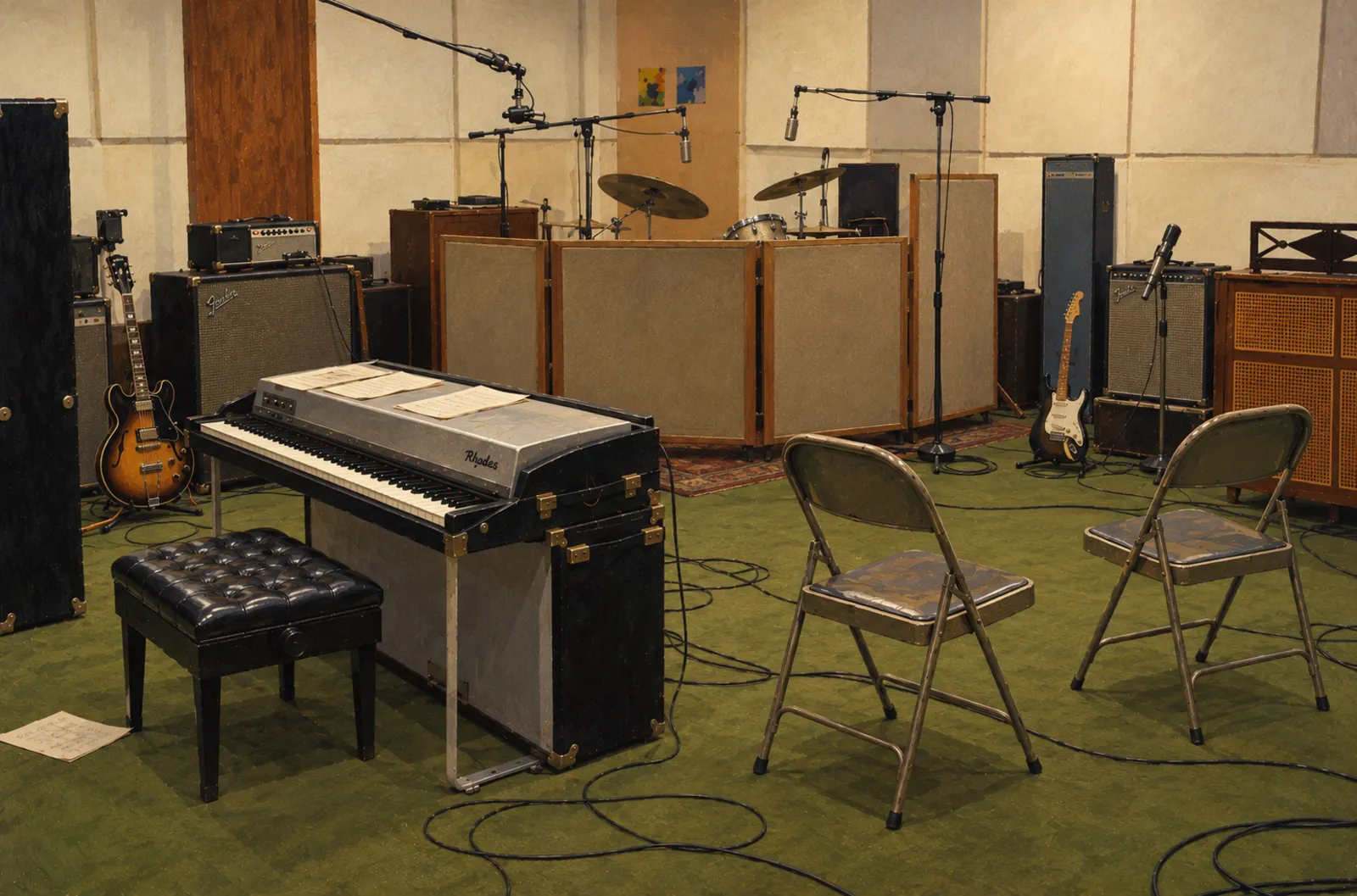
On January 22, the band was working in the new basement studio under Apple’s offices at 3 Savile Row. Billy Preston, a keyboard player they’d known since Hamburg, was in London playing with Ray Charles. George invited him down.
If you’ve seen Get Back you know what happens. Billy sits down and the band loosens up. They’re kinder to each other and the jokes come back, and about a week later they’re on the roof playing what turned out to be their last public performance, with Billy right there with them. John liked having him around enough to suggest making him a permanent member. Paul’s answer, roughly, was that four was hard enough.
This is one of my favorite scenes in the documentary because it shows the best part of the band. The creativity… the camaraderie… the humor. It also shows how deeply rooted conflicts can be managed by the presence of a third party.
George said the atmosphere was still strained when Billy arrived, and that everyone behaved better with a guest in the room.
Two details
The tempting conclusion is that a calm, respected outsider is enough. Some of that is true, and it’s a real part of mediation. People in conflict slow down in front of someone they respect. They finish their sentences, and sometimes they hear how they sound.
It is important to note two details.
The first is that Billy wasn’t neutral. George brought him in. He was George’s friend, and George was the one who had just walked out. So the presence of Billy made the atmosphere easier for George because he felt like he had an ally in the room.
That isn’t neutrality. Billy made George feel safer because he was on George’s side. A mediator can’t calm a room that way. The steadiness has to come from somewhere else.
The other factor to mention is that George and the Lads had already worked out several compromises, such as dropping the big live show abroad and relocating to the new studio at Apple. So Billy wasn’t walking into a hornet’s nest. Much had already been resolved. The calm that Billy may have created was an extension of the negotiations that had occurred a few days earlier.
Staying steady
What I try to learn from the Billy Preston segment is staying steady when the room isn’t. I practiced that for years in music business negotiations before I ever called it mediation, and it’s harder than it looks from the outside. (I wrote about this in Zen and the Art of Mediation.)
There’s one more thing I keep turning over. A calm presence that only absorbs tension can leave the real problem exactly where it was. Silence isn’t the same as neutrality. I wonder what would have happened if Billy had been there from the first day at Twickenham. Would the same tensions have still arisen? Would the band have gotten along better? (Maybe, but that wouldn’t have made as interesting a documentary.)
What’s underneath
Keeping the peace in a room isn’t the same as resolving what’s underneath it. I’m not sure whatever George was carrying would have eased. The band may never have reached the bottom level of what I call the Dispute Stack, the unspoken need underneath the position and the interest. Both of these pieces come out of the idea behind my book, Beyond the Argument: “the fight you’re in is not the problem you’re solving.”
If I ever get to meet Paul, I don’t think that I’ll bring up this article. As I say in the book, “You can’t win the past.”
Part one: The Guitar Part That Wasn’t.