Music
The Guitar Part That Wasn't
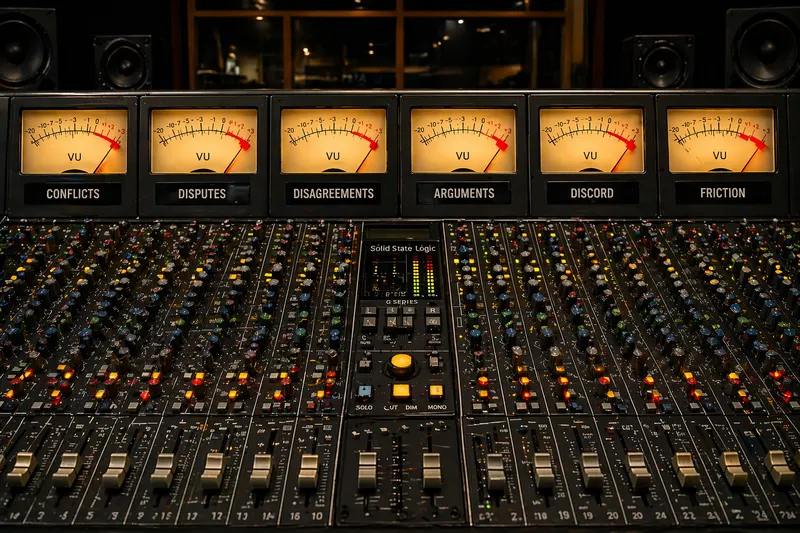
The fight about how to play a song was never really about the song.
- Surface fights repeat
- Ask the why
- The need: respect
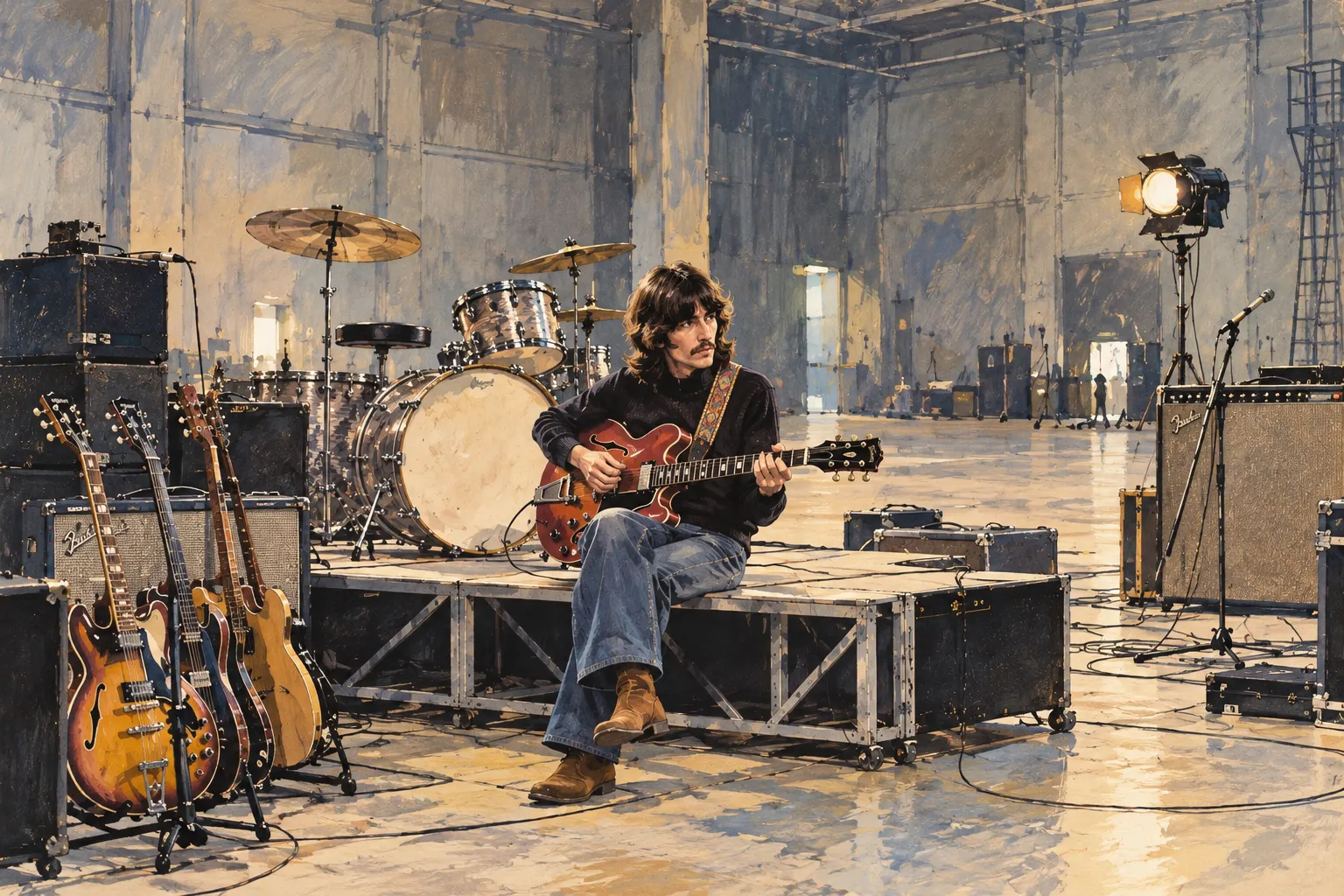
I’ll admit this piece started as an excuse to write about the Beatles. It turned into something connected to my other passion: mediation.
My love affair with The Beatles began in the infirmary at Camp Robin Hood in New Hampshire when I was laid up for weeks with bronchitis. All they had for me to listen to was “The Beatles’ Second Album” (a typical repackaging of their UK releases by Capitol Records for us Americans). This was five years after it was released. I was too young to experience it new. I played it over and over and over. Must have driven the nurses crazy. Ever since, I have been a complete fan and in awe of everything that they accomplished.
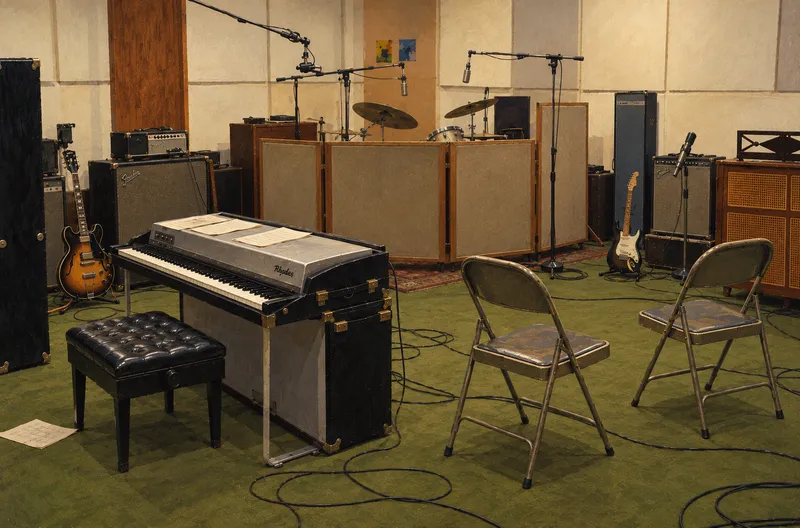
A cold studio at Twickenham
There’s a scene early in Peter Jackson’s Get Back. It’s January 1969, and the band is rehearsing in a cold film studio at Twickenham for a large, sprawling project that was putting a lot of pressure on the Lads.
They are working on “Two of Us,” and Paul keeps telling George how to play his part. George finally says, “I’ll play, you know, whatever you want me to play, or I won’t play at all.”
A few days later, after more friction and a tense lunch with John, George gets up and leaves. He tells the others he’ll see them around the clubs.
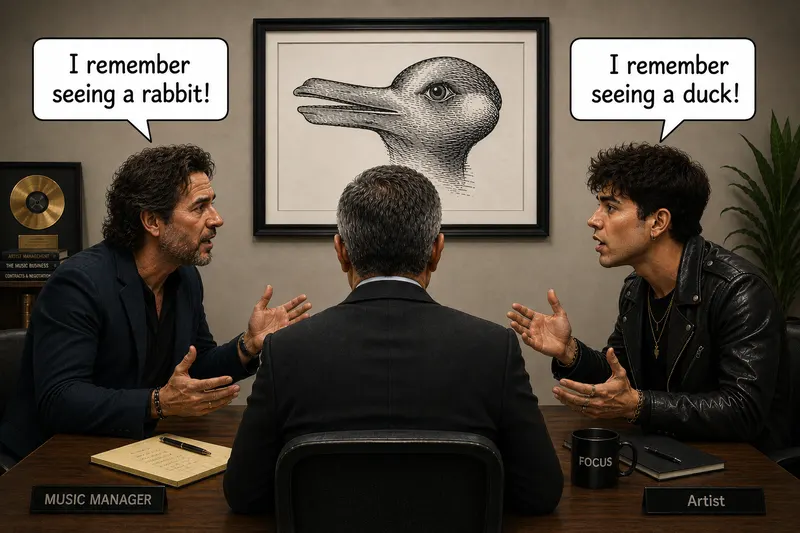
The easy way to read that scene is as a creative disagreement. Paul heard the song one way and George heard it another, which happens in every studio. If you mediated it on those terms, you’d treat it as a technical arrangement problem. You’d have each of them describe what they hear, maybe ask George to try Paul’s version once and Paul to try George’s, and then split the difference and get back to work. I don’t think that would have held, because… “the fight you’re in is not the problem you’re solving.” (Hmmm, now where have I heard that before?)
Just a sideman again
By then George had been writing seriously for years, and he’d later talk about how hard it was to get his songs a fair hearing next to Lennon and McCartney. He’d spent the previous months away from the band, working on other projects and spending time with Bob Dylan and The Band in Woodstock, where people treated him as a peer. Then he came home to a room where he felt he was just a sideman again.
I can’t tell you what George felt that day, and I’m wary of anyone who diagnoses a famous person from documentary footage.
Obviously, we can never know with certainty what George felt that day. The pattern, though, is familiar. A guitar part is something you can argue about. Feeling like the junior partner in your own band is much harder to say out loud, so people argue about the guitar part instead. What George asked for sounded like “stop telling me how to play.”
What he may have needed to hear was closer to “respect what I am doing and my contributions overall.”
Why surface arguments come back
That’s why surface arguments keep coming back. You can win the guitar part, or compromise on it, and the next morning there’s a fight about a bass line or whose song gets recorded next. I’ve watched couples settle two years of fighting over money and start fighting about the custody schedule the following week. The money was never the dispute.
The conversation underneath
A mediator wouldn’t start with the music. The first job is to let the frustration out and acknowledge it, without ruling on whose idea was better. That’s a content question, and it belongs to the band. Then the mediator asks each of them, Paul as well as George, to briefly say why they want what they’re asking for. The answer is almost always different from the ask, and it usually points to what’s actually being protected. Paul might have talked about holding a struggling project together. George might have talked about being heard. Those are different problems, and neither one gets solved by agreeing on a guitar part. I don’t know whether anyone in that room was ready for that conversation in January 1969. It was the one waiting underneath, though.
What brought George back wasn’t anyone winning the argument. There were meetings. They discussed the realities of the “big” plan. The band, as a whole, dropped the idea of a big live show abroad, left Twickenham, and moved into their own new studio in the basement at Apple. A few days after that, an old friend walked in and sat down at the keyboard.
Part two: The Keyboard Player in the Corner.